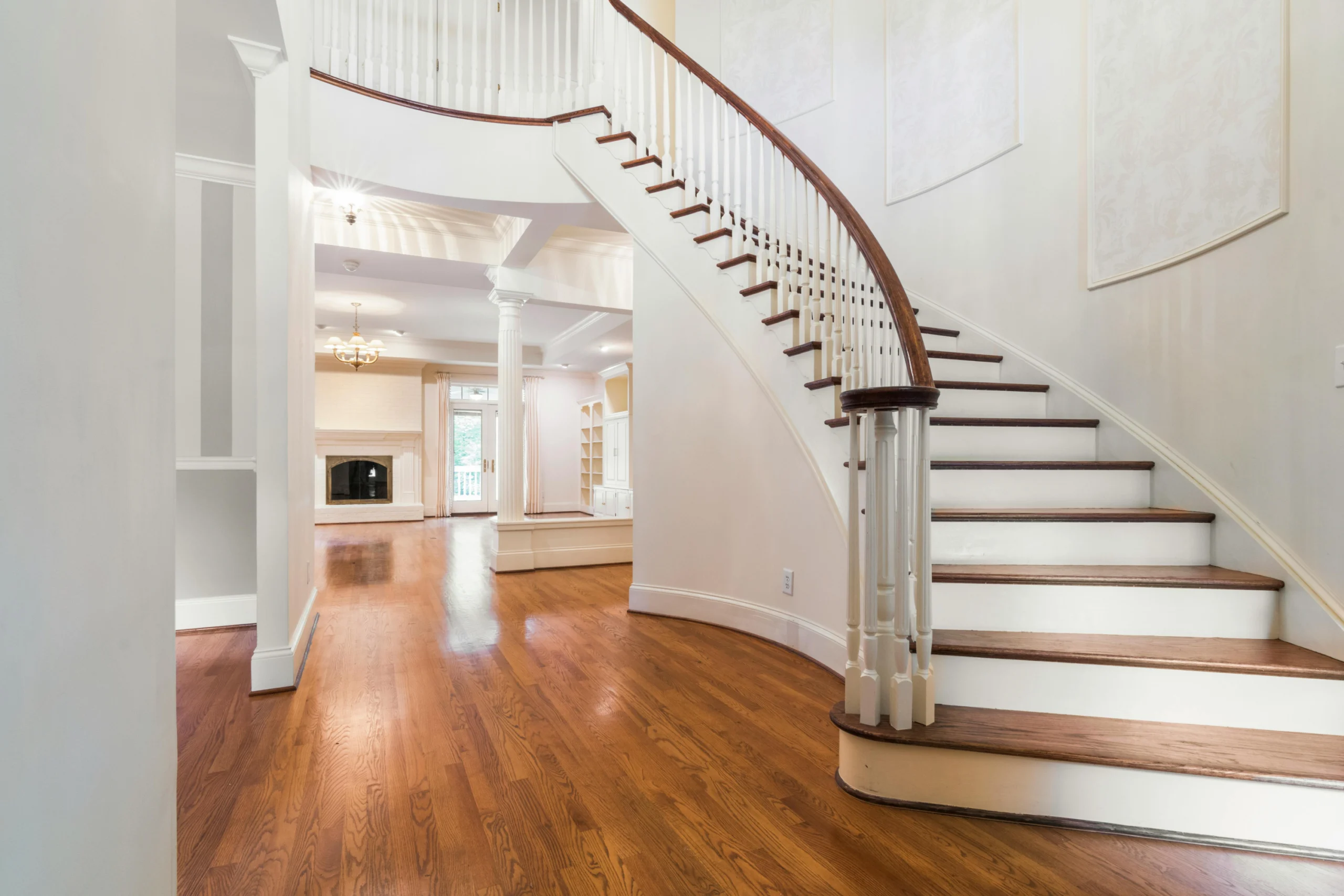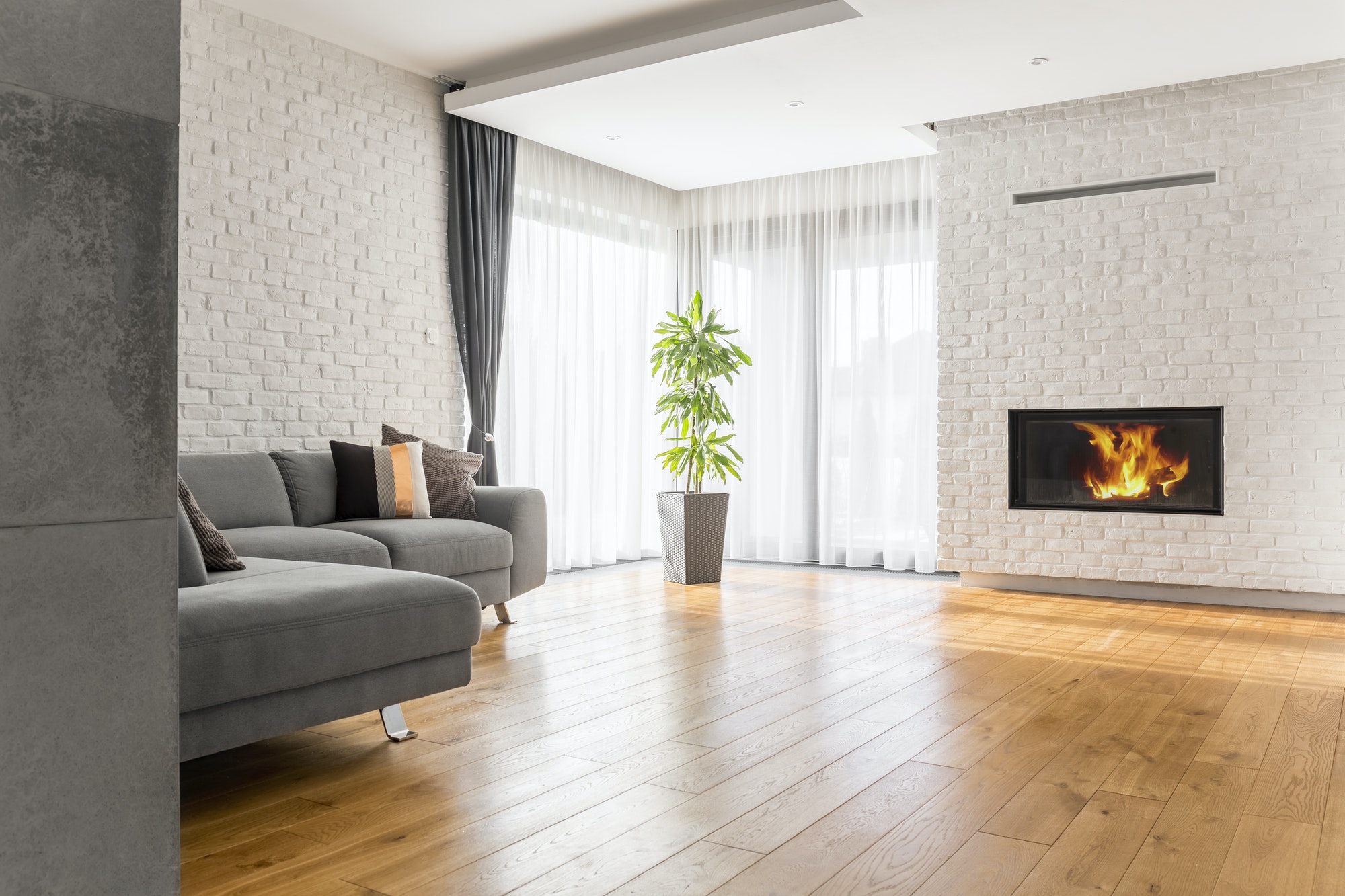
Rhode Island might be the smallest state, but our architecture has massive character. From the gorgeous, sprawling historic homes on the East Side of Providence to classic triple-deckers, a professional hardwood floor installation requires a highly tailored approach to succeed in these unique properties. Consequently, if you want your investment to last, you cannot simply rely on a one-size-fits-all strategy. Beautiful, older homes come with their own unique set of quirks, meaning local expertise is absolutely non-negotiable.
Navigating the Local Climate During Your Hardwood Floor Installation
- The Weather Rollercoaster: We get humid, salty coastal summers and freezing, dry winters. Wood is a natural material that expands when it’s humid and contracts when the heating kicks on. If your installer doesn’t account for this local climate, your gorgeous new floors could buckle, cup, or gap within a single year.
- Settled Foundations: Decades of settling mean the subfloor beneath your feet needs serious prep work (sanding down high spots or filling in low spots) before a single floorboard is nailed down.
- The Crucial “Acclimation” Step: To survive in Rhode Island, the wood needs to sit inside your home’s specific climate for several days so its moisture content balances out with your indoor air.
At Constantin Floors, we know local homes inside and out. We don’t just rush in and start nailing; instead, we systematically measure subfloor moisture, check structural integrity, and ensure your wood is perfectly prepped before the work begins.
Solid vs. Engineered Wood for Your Hardwood Floor Installation
Once you’ve decided to upgrade, the very first fork in the road is choosing the right type of wood. Walk into any showroom, and you’ll be faced with two main contenders: Solid Hardwood and Engineered Hardwood. Neither one is universally “better” than the other, but one is definitely better for your specific home layout. Let’s break down the real-world differences.
Solid Hardwood: The Timeless Classic
This option is exactly what it sounds like—each plank is a solid piece of wood from top to bottom, usually about 3/4-inch thick.
- The Big Perk: Longevity. Because it’s solid wood, it can be sanded down and refinished multiple times over its lifespan. It literally lasts for generations.
- The Catch: It’s sensitive. Solid wood reacts heavily to moisture and temperature changes. For instance, we do not recommend choosing this style for basements or directly over concrete slabs.
Engineered Hardwood: The Modern Marvel
Engineered flooring is real wood, but it’s constructed in smart, durable layers. A real hardwood veneer sits on top, bonded over a highly stable core of cross-ply layers.
The Catch: Limited sanding. Depending on the thickness of the top “wear layer,” it can usually only be sanded and refinished once or twice before you wear through to the core material.onsultation, we look closely at your subfloors, moisture levels, and lifestyle to help you pick the perfect match.
The Big Perk: Stability. Thanks to those cross-ply layers, engineered wood doesn’t expand or contract nearly as much as solid wood when Providence’s seasonal humidity shifts. As a result, it performs beautifully in basements and over radiant heating systems.
What to Expect During a Hardwood Floor Installation Process
Let’s pull back the curtain on what actually happens when the installation crew arrives. A lot of people think a standard floor fitting is just laying down boards and nailing them in place. In reality, a proper hardwood floor installation is a precise craft that relies heavily on careful preparation. To take the mystery out of the process, here is the exact journey your home will take:
Phase 1: Preparing Your Home for New Floors
- Step 1: The Tear-Out & Subfloor Inspection: First, we remove your old flooring, carpets, and tack strips. Then comes the most critical part—inspecting the subfloor. We check for moisture, fix squeaks, and ensure the surface is completely clean, structurally sound, and level.
- Step 2: Acclimation: As we mentioned earlier, your new wood planks need to sit inside your home for a few days to adjust to your home’s unique indoor climate, preventing future structural warping.
Phase 2: Laying and Fastening the Planks
Step 5: Trim and Clean-Up: Once the wood is down, we reinstall your baseboards or add shoe molding to cover the expansion gaps around the edges of the room, leaving the space spotless.
Step 3: Racking the Floor: Before driving in a single nail, we “rack” the floor. This means dry-laying the boards across the room to mix different lengths, grains, and color variations for a beautiful, natural, and balanced look.
Step 4: The Fastening Phase: Depending on your choice of wood and subfloor, we will nail, staple, or glue the planks down using specialized flooring equipment to ensure every single joint is tight and secure.
Cost Factors and Budgeting for Hardwood Floor Installation
Let’s talk numbers. No one likes surprises when it comes to home renovation budgets. When planning a residential floor upgrade, a realistic budget considers a few moving parts that dictate the final investment:
| Cost Factor | What to Expect |
| Wood Species & Grade | Domestic woods like Red or White Oak are incredibly durable and budget-friendly. Exotic woods (like Brazilian Cherry) carry a higher material cost. |
| Layout & Architecture | Large, open square rooms are fast to install. Long hallways, intricate diagonal patterns, custom stairs, or lots of doorways require intricate labor. |
| Subfloor Prep Work | A flat, dry plywood subfloor keeps costs low. Discovering rotted boards, uneven joists, or old adhesive that needs grinding requires a vital corrective investment. |
| Tear-Out & Logistics | Safely disposing of old flooring and moving heavy furniture takes time. You can always save a bit on your budget by clearing the space before the crew arrives. |
At Constantin Floors, we don’t believe in hidden fees or vague estimates. We provide detailed, itemized quotes so you know exactly where every dollar is going. Investing in professional installation means you are doing it right the first time—saving you from costly repairs down the road.
Post-Installation Care: How to Protect Your Flooring Investment
Congratulations! The dust has settled, the tools are packed away, and your home looks absolutely spectacular. A professional hardwood floor installation adds massive value to your property, but now the ball is in your court to keep it looking brand new for decades to come.
While wood is incredibly durable, it is not invincible. Specifically, you can preserve your gorgeous investment by following these simple, everyday habits:
Smart Maintenance Habits for Long-Lasting Wood Floors
- Use Felt Protectors Under Everything: Never slide heavy furniture directly across your new floors. Attach heavy-duty felt pads to the legs of every chair, table, couch, and cabinet to prevent deep scratches.
- Be Smart About Moisture: Water is hardwood’s worst enemy. Clean up liquid spills immediately with a damp (never soaking wet) microfiber cloth. Avoid using steam mops or harsh chemical cleaners, which can permanently dull or strip the protective finish.
- Control Your Indoor Climate: Because Rhode Island weather loves to jump from humid to freezing, try to keep your home’s humidity level stable between 30% and 50% using an air conditioner in the summer and a humidifier in the winter. This stops the wood from gapping or cupping.
- Catch Dirt at the Door: Place high-quality mats at all exterior entrances to catch dirt, grit, and moisture before it ever touches your hardwood. For industry-vetted care standards, you can also review the National Wood Flooring Association guidelines.
Conclusion
TThere is no getting around it—investing in a premium hardwood floor installation completely redefines the look, feel, and value of your home. While the process requires careful planning, picking the right materials, and understanding local climate quirks, the payoff is a timeless floor that you will love waking up to every single morning.
You don’t have to navigate this journey alone. At Constantin Floors, we pride ourselves on delivering elite craftsmanship, transparent pricing, and stress-free service across Providence and Rhode Island.