
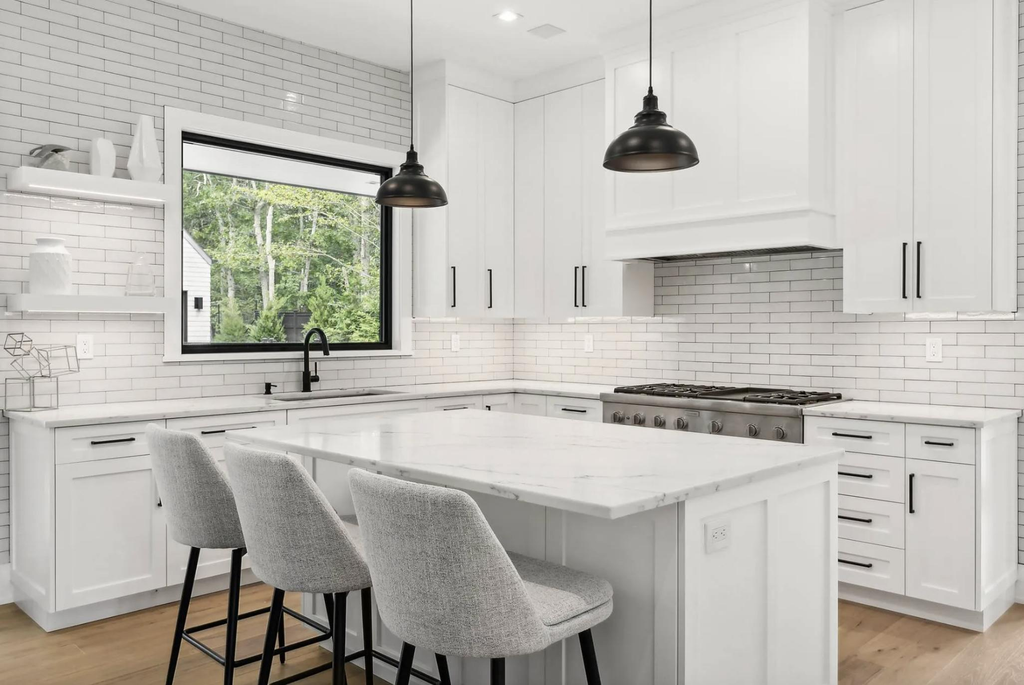
A kitchen backsplash is more than a decorative feature. It helps protect the walls around your countertops, sink, and cooking areas while adding color, texture, and personality to your kitchen.
For homeowners in Rhode Island, choosing the right backsplash can make a big difference in the appearance and everyday use of a kitchen. Whether you prefer a classic subway tile design, a modern porcelain finish, or a natural stone look, there are plenty of options to consider.
In this guide, we’ll explain the different types of backsplash materials, popular designs, installation considerations, and maintenance tips to help you make the right choice for your home.
1. What Is a Kitchen Backsplash?
A kitchen backsplash is a protective surface installed on the wall behind kitchen countertops, sinks, and cooking areas. It helps protect the wall from water splashes, food stains, grease, and everyday kitchen messes.
Besides protecting your walls, a backsplash can also become an important part of your kitchen’s overall design.
It can complement your:
- Kitchen cabinets
- Countertops
- Flooring
- Appliances
- Lighting and fixtures
A well-chosen backsplash brings these elements together and gives your kitchen a more finished appearance, while proper installation following professional tile installation guidelines helps ensure a clean and lasting result.
2. Why Install a Kitchen Backsplash?
A backsplash offers both practical and decorative benefits.
Protects Your Kitchen Walls
Cooking, washing dishes, and preparing food can cause water, grease, and food particles to reach your walls. A properly installed backsplash creates a surface that is easier to clean and helps protect the wall behind it.
Makes Cleaning Easier
Many backsplash materials, especially glazed ceramic and porcelain tiles, have smooth surfaces that are relatively easy to wipe clean.
This makes them practical for areas around sinks and cooking spaces.
Improves Your Kitchen’s Appearance
A backsplash gives you another opportunity to introduce colors, patterns, and textures into your kitchen.
You can choose a subtle design that blends with your countertops or a distinctive pattern that becomes the main feature of the room.
Adds a Finished Look
A backsplash connects your cabinets, countertops, and other kitchen finishes. Even a simple tile design can make the space look more complete.
3. Popular Kitchen Backsplash Materials
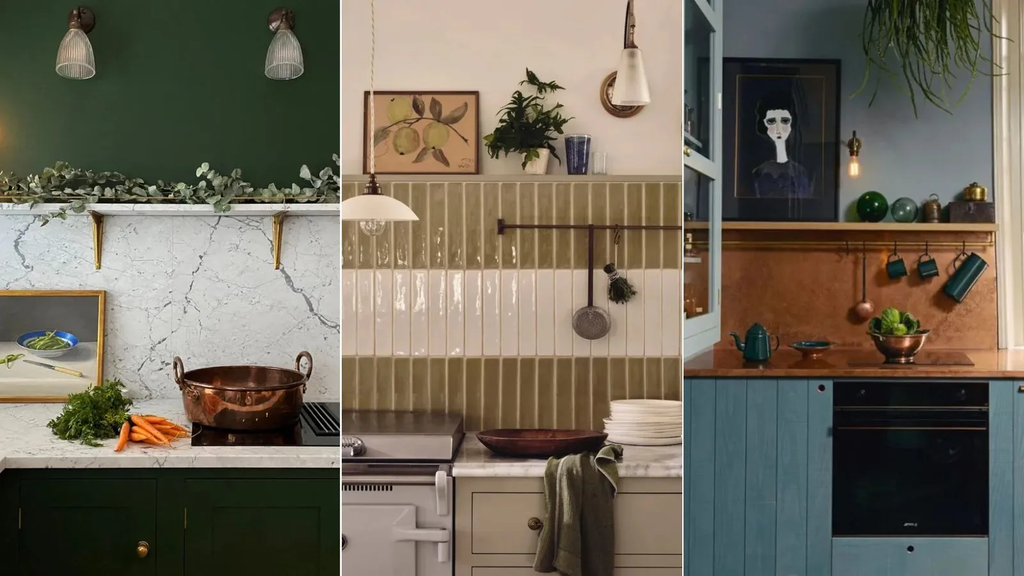
Choosing the right material is one of the most important parts of planning your backsplash.
Different materials have different appearances, maintenance requirements, and installation considerations.
Ceramic Tile
Ceramic tile is a popular choice for kitchen backsplashes because it comes in many colors, sizes, shapes, and finishes, and its care requirements are generally straightforward when following recommended tile cleaning and maintenance practices.
Benefits:
- Available in many designs and colors
- Easy to clean when properly finished
- Suitable for many kitchen styles
- Offers options for different project budgets
Ceramic tile is a good option for homeowners who want flexibility when designing their kitchen.
Porcelain Tile
Porcelain tile is known for its dense construction and low water absorption compared with many other ceramic tiles.
It is available in different colors, patterns, and finishes, including designs that resemble natural stone.
Benefits:
- Low water absorption
- Available in modern and traditional styles
- Resistant to everyday staining when properly selected and maintained
- Suitable for a variety of kitchen designs
Porcelain is worth considering if you want a durable tile surface with plenty of design choices.
Natural Stone Tile
Natural stone backsplash materials include marble, granite, travertine, and other stone varieties, each with unique characteristics described in the Natural Stone Institute’s guide to natural stone tile.
Each piece has natural patterns and variations, making every installation visually distinctive.
Benefits:
- Natural color and texture variations
- Distinctive appearance
- Complements many countertop and cabinet styles
Natural stone may require special cleaning products and periodic sealing, depending on the stone and its finish. Always follow the manufacturer’s care recommendations.
Glass Tile
Glass tiles are another option for homeowners who want a brighter or more reflective backsplash.
They can help reflect light and create an interesting visual effect in smaller kitchens.
Benefits:
- Reflective appearance
- Available in different colors and finishes
- Smooth surfaces that are generally easy to wipe clean
Glass tile requires appropriate installation materials and careful handling during installation.
4. Kitchen Backsplash Designs to Consider
The material is only one part of the decision. The shape, layout, color, and pattern of your backsplash can change the entire look of your kitchen.
Here are several popular styles to consider.
Subway Tile
Subway tiles are rectangular tiles commonly installed in a staggered brick pattern.
White subway tile remains a popular choice because it creates a clean and classic appearance. However, you can also explore darker colors, larger sizes, and different grout shades.
Herringbone Pattern
Herringbone layouts arrange rectangular tiles in a repeating V-shaped pattern.
This design adds movement and visual interest without requiring multiple tile colors.
Mosaic Tile
Mosaic tiles use smaller pieces arranged in decorative patterns.
They can introduce different colors and textures into a kitchen and work well as a decorative focal point.
Large-Format Tile
Larger tiles create a more continuous appearance with fewer grout joints.
This can give a kitchen a clean, contemporary look. Wall conditions and installation requirements should be considered before selecting large-format tiles.
Natural Stone Look
Stone-look porcelain tiles offer patterns inspired by marble, limestone, and other natural materials.
They can complement both traditional and contemporary kitchen designs.
5. How to Choose the Right Kitchen Backsplash
Before making your final selection, consider the material, finish, and installation requirements, using resources such as the Tile Council of North America’s handbook for ceramic, glass, and stone tile installation as a technical reference.
Here are a few things to keep in mind.
Match Your Countertops and Cabinets
Your backsplash should complement the colors and patterns already present in your kitchen.
If your countertops have strong patterns, a simpler backsplash may create a more balanced appearance.
If your cabinets and countertops are neutral, a patterned or textured backsplash can add character.
Consider Your Kitchen’s Lighting
Lighting affects how tile colors and finishes appear.
Glossy tiles can reflect light, while matte finishes create a softer appearance.
Look at tile samples under your actual kitchen lighting before making a final decision.
Think About Cleaning and Maintenance
Kitchen surfaces are exposed to grease, food splashes, and moisture.
Consider how much maintenance your chosen material requires.
Pay attention to grout color, grout type, surface finish, and the manufacturer’s cleaning recommendations.
Choose a Design That Complements Your Home
Your kitchen should feel connected to the rest of your home.
Consider your flooring, cabinet style, and overall interior design when choosing a backsplash.
6. Why Grout Matters in Kitchen Backsplash Installation
Grout fills the spaces between individual tiles. Although it may seem like a small detail, it has an important effect on the finished appearance.
Grout color can change how a backsplash looks.
Matching grout: Creates a more consistent appearance between tiles.
Contrasting grout: Makes individual tile shapes and patterns stand out.
Neutral grout: Offers a balanced look that works with many tile colors.
The right grout also depends on the tile material, joint size, and installation conditions.
Some grout products require sealing, while others have different maintenance requirements. Follow the manufacturer’s instructions for proper care.
7. What to Expect During Kitchen Backsplash Installation
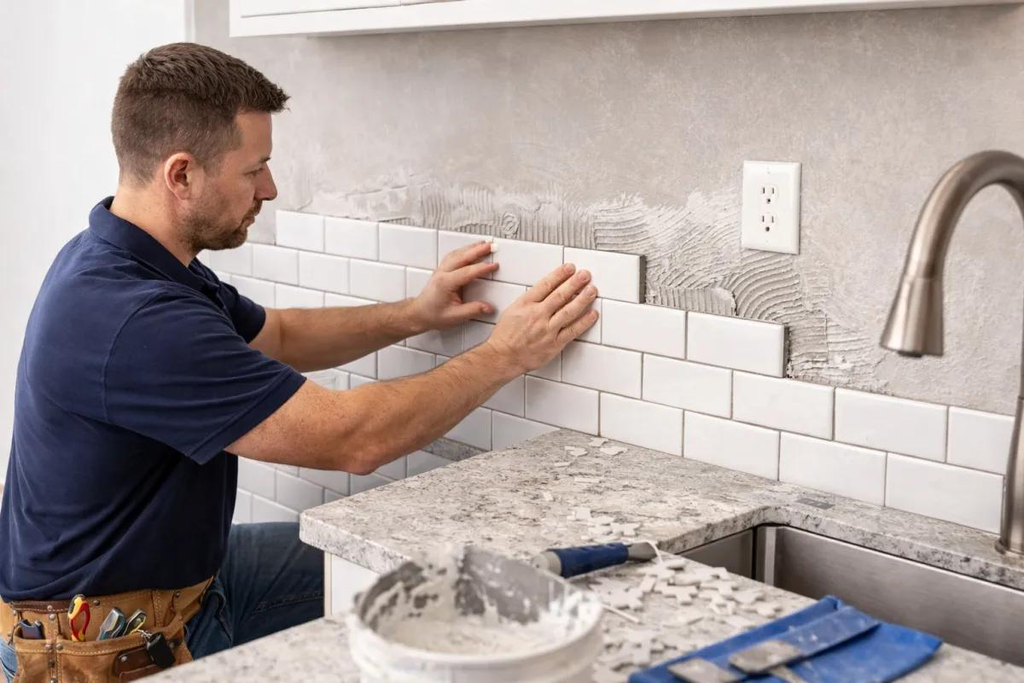
Proper installation is important for the appearance and performance of your backsplash, which is why installers follow established tile installation practices and industry guidelines.
Although every project is different, a typical tile backsplash installation involves several steps.
Step 1: Measure the Area
The installer measures the wall to determine the amount of tile and other materials needed.
Measurements should account for cabinets, outlets, corners, windows, and other features.
Step 2: Prepare the Wall
The existing wall surface must be checked before installation.
The area should be clean, suitable for the selected installation system, and properly prepared.
Any necessary repairs should be addressed before tile installation begins.
Step 3: Plan the Tile Layout
The tile layout is planned to create a balanced appearance.
This includes determining where tiles will start and end, how corners will be handled, and where cuts will be needed.
Step 4: Install the Tiles
The appropriate setting material is applied, and tiles are positioned according to the planned layout.
Proper spacing and alignment help create consistent grout joints and a clean finished appearance.
Step 5: Apply Grout and Finish the Details
After the setting material has cured according to its instructions, grout is applied to the joints.
The surface is cleaned, and finishing details are completed.
The installation should follow the requirements of the selected tile, setting materials, grout, and applicable industry standards.
8. Kitchen Backsplash Cleaning and Maintenance
Regular cleaning can help prevent stubborn stains and keep your backsplash looking its best, especially when you follow manufacturer-recommended tile care and maintenance instructions.
Here are some simple maintenance tips.
- Wipe away grease and food splashes regularly.
- Use cleaning products suitable for your specific tile material.
- Avoid harsh cleaners that could damage certain finishes.
- Clean grout joints according to the grout manufacturer’s recommendations.
- Check grout and sealant periodically for signs of wear.
- Follow the care instructions for natural stone and other specialty materials.
Regular cleaning can help prevent stubborn stains and keep your backsplash looking its best.
9. Choosing a Backsplash for Your Rhode Island Home
Every home has different kitchen layouts, design preferences, and renovation needs.
Whether you own a traditional home in Providence, a family home in Cranston, or a property in Warwick, the right backsplash can help bring your kitchen design together.
When planning your project, consider:
- The existing condition of your kitchen walls
- Your cabinets and countertops
- The amount of cooking and kitchen activity
- Your preferred tile material and design
- Cleaning and maintenance requirements
Working with an experienced local tile installation team can help you understand your options and plan the project properly.
Constantin Floors serves homeowners throughout Rhode Island, including Providence, Cranston, Warwick, North Kingstown, East Greenwich, Smithfield, and East Providence.
10. Get Help With Your Next Tile Project
Choosing a backsplash involves more than selecting a color or pattern. The tile material, layout, wall preparation, grout, and finishing details all contribute to the final result.
At Constantin Floors, we help Rhode Island homeowners explore tile and flooring options for their homes.
If you’re planning a kitchen update or considering a new tile installation, our team can help you discuss your project and available options.
Ready to update your kitchen?
Contact Constantin Floors today to discuss your tile project and request a FREE estimate.
Call: 401-999-0199
Location: 5 Washington Street, North Providence, RI 02904
Website: https://constantinfloors.com/
Frequently Asked Questions About Kitchen Backsplashes
What is the best tile material for a kitchen backsplash?
Ceramic and porcelain tiles are popular choices because they come in many styles and are relatively easy to maintain. Natural stone and glass are also options depending on your design preferences and maintenance requirements.
Does a kitchen backsplash need to be waterproof?
A backsplash should be suitable for the moisture and cleaning conditions in its location. However, tile and grout alone should not automatically be considered a waterproof wall assembly. Appropriate wall preparation, materials, and installation methods are important.
How high should a kitchen backsplash be?
A standard backsplash often extends from the countertop to the bottom of the upper cabinets. Some homeowners choose to extend tile higher or cover the entire wall behind the countertop.
The right height depends on your kitchen layout and design.
Is porcelain or ceramic better for a backsplash?
Both are suitable options when properly selected and installed. Ceramic offers a wide range of styles, while porcelain is generally denser and has lower water absorption.
How do I clean kitchen backsplash tiles?
Use a cleaning product appropriate for your tile and grout. Regularly wipe away grease and food splashes, and follow the manufacturer’s maintenance instructions.
Can I install a backsplash over existing tiles?
In some situations, new tile can be installed over existing tile, but the existing surface must be evaluated first. It needs to be stable, properly bonded, clean, and suitable for the selected installation system.
Who installs kitchen backsplash tiles in Rhode Island?
Homeowners can contact local tile installation contractors to discuss their backsplash projects. Constantin Floors provides tile installation services in Rhode Island. Contact the team to discuss your project and request an estimate.
Explore More From Constantin Floors
Serving Rhode Island homeowners with flooring and tile solutions.
Questions or Comments?
Share your thoughts or ask us a question about this article.