Wood flooring is one of the most enduring and sought-after choices for interior environments. Manufactured from timber, it serves a dual purpose: providing a robust structural surface while delivering a timeless aesthetic that adds value and warmth to a home. Whether you are considering the traditional appeal of solid hardwood or the modern versatility of engineered planks, understanding the composition, installation, and maintenance of wood flooring is essential for any homeowner or builder.
1. Understanding Wood Flooring Materials
At its core, wood flooring is defined by its use of timber as the primary base material. However, not all wood floors are constructed the same way. The market is primarily divided into three categories:
- Solid Hardwood Flooring: These planks are milled from a single piece of timber. Because they are a solid block of wood from top to bottom, they offer a thicker “wear surface,” allowing them to be sanded and refinished many more times than other types.
- Engineered Wood Flooring: This is a high-performance alternative consisting of two or more layers. It features a thin layer of expensive, high-quality wood (the wear layer) bonded to a core of cheaper wood or birch plywood.
- Bamboo Flooring: While technically a grass, bamboo is processed into planks and is widely categorized as a form of wood flooring due to its similar density and appearance.
2. The Science of Engineered Wood
Engineered wood flooring has become the dominant choice in Europe and is rapidly growing in popularity in North America. Its primary advantage is stability.
Why Engineered Wood is Stable
Engineered planks are designed with a multi-layer construction where each layer is arranged at a 90-degree angle to the one above it. This cross-lamination counteracts the natural tendency of wood to expand and contract with changes in humidity.
Composition and Categories
- All-Timber Wood Floors: Made entirely from sawn wood layers.
- Birch Plywood Substrate: Many high-quality engineered floors use birch plywood as a core because of its incredible strength, durability, and waterproof properties. It is so resilient that it is also used for commercial vehicle flooring and trailer decking.
- Veneer Floors: These use a very thin wood layer over a composite wood core (like HDF).
- Acrylic-Impregnated Wood: This involves injecting liquid acrylic into the wood cell structure and hardening it, resulting in an incredibly dent-resistant floor often used in high-traffic commercial spaces.
3. Solid Hardwood vs. Engineered Wood: Performance Trade-offs
Choosing between solid and engineered wood often comes down to the specific environment of the room.
| Feature | Solid Hardwood | Engineered Wood |
| Stability | Prone to gapping, crowning, and cupping | Highly stable; resists environmental shifts |
| Refinishing | Can be sanded 5–7 times | Can be sanded 1–3 times (depending on wear layer) |
| Subfloor | Limited (usually plywood/joists) | Universal (concrete, plywood, or below-grade) |
| Heating | Not compatible with underfloor heating | Ideal for underfloor and radiant heating |
Solid Wood Performance Issues: Large solid planks are particularly susceptible to gapping (shrinking in dry air) or cupping/crowning (warping due to moisture). For this reason, solid wood is often seen as a high-end option for climate-controlled environments, while engineered wood is the “universal” problem-solver.
4. Installation Systems
Modern technology has simplified how wood floors are laid. The method chosen often depends on the subfloor (concrete vs. wood) and the skill level of the installer.
- Tongue-and-Groove (T&G): The traditional method where one side has a protruding “tongue” and the other a “groove.” These can be nailed down, glued down, or installed as a floating floor.
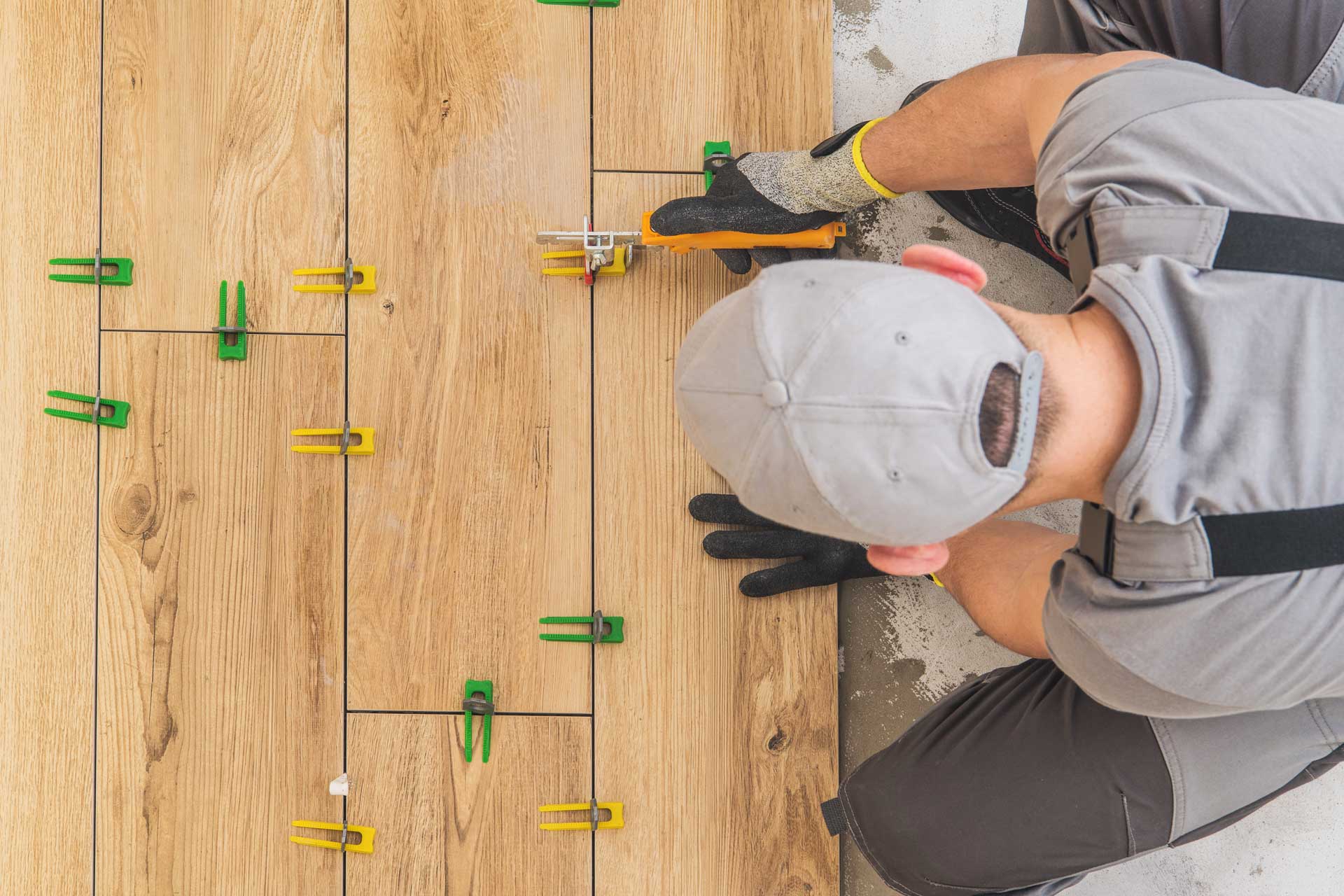
- Click or Woodloc Systems: These are patented, glue-free systems that “lock” together. They are perfect for DIY users, allow for faster installation, and make it much easier to replace a single damaged board.
- Glue-Down Method: Common for solid parquet or installing engineered wood over concrete.
- Floating Floor: The planks are attached to each other rather than the subfloor, resting on an underlayment or moisture barrier. This requires an expansion gap at the room’s edge.
- Secret Nailing: Used for thicker boards (at least 18mm), where nails are driven through the tongue so they are hidden from view.
5. Floor Finishes and Aesthetics
The finish protects the wood from moisture and wear while defining its look.
- Polyurethane Finishes:
- Water-based urethane is harder, dries faster, and is safer for the user (lower VOCs).
- Oil-modified polyurethane provides a classic amber glow but takes longer to cure.
- Oil Finishes: These are natural drying oils of vegetable origin. They contain no VOCs and provide a “natural” feel.
- Brushed and Oiled: During manufacturing, steel brushes are used to remove the softer springwood, opening the grain and removing splinters. This creates a textured, durable surface that hides scratches well.
6. Maintenance: Buffing, Sanding, and Refinishing
The longevity of a hardwood floor is its greatest selling point, but it does require maintenance when signs of wear—such as dullness, uneven coloring, or deep scratches—appear.
- Buffing and Recoating: If the wood is healthy but the finish is dull, a stand-up floor buffer with a 180-grit screen can abrade the surface. This “mechanical adhesion” allows a new topcoat of finish to stick without sanding the wood itself. Factory-finished floors typically do not require this for many years.
- Refinishing (Sanding): When a floor is heavily damaged, it must be sanded down to the raw wood. This involves using progressively finer sandpaper to remove the old finish and smooth out nicks.
- Historical Context: Before the 20th century and the invention of modern sanders, floors were refinished via scraping. Specialized tools like chisels, planes, and cabinet scrapers were used by hand to renew the surface.
7. Wood Lookalikes: A Warning
When shopping, it is easy to confuse real wood with alternatives:
- Laminate: Uses a photographic image of wood printed onto a composite board. It cannot be sanded.
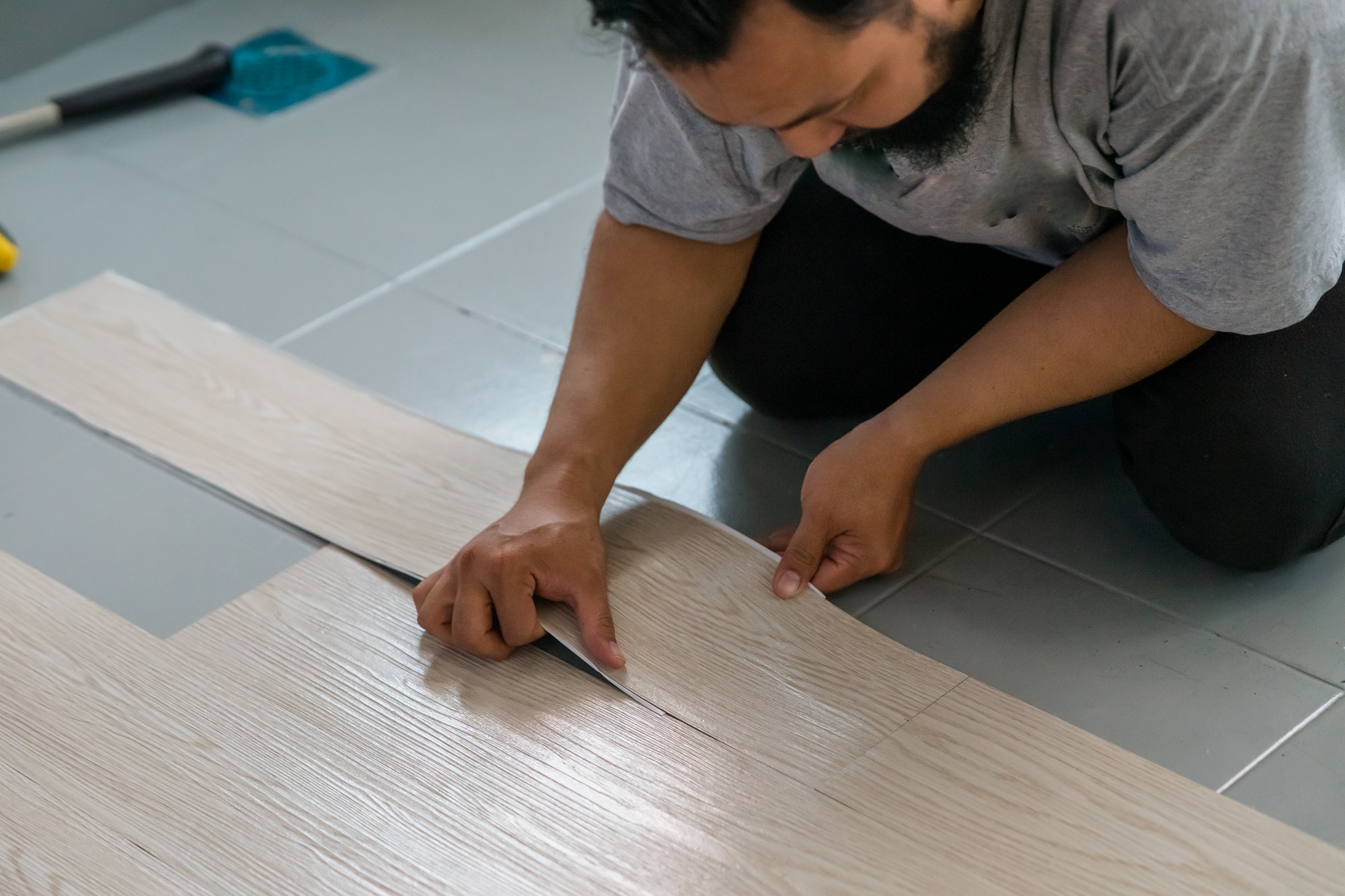
- Vinyl (LVP): A plastic-based product formed to look like wood. It is waterproof but lacks the organic feel and longevity of real timber.
Conclusion
Wood flooring is an investment in both durability and design. By choosing engineered wood for stability and underfloor heating compatibility, or solid hardwood for its lifelong refinishing potential, you ensure a floor that will last for generations. Understanding the materials—from the birch plywood core to the polyurethane topcoat—is the first step in selecting the perfect foundation for your space.